Author Archives: Pascale Saliba

  • -
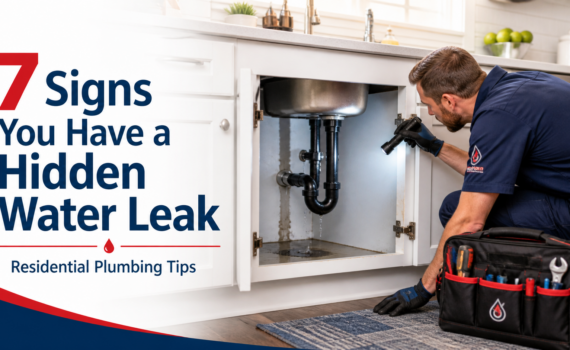
7 Signs You Have a Hidden Water Leak in Your Home

7 Signs You Have a Hidden Water Leak in Your Home

A hidden water leak can start small, but it can quickly turn into a serious plumbing problem. Many homeowners do not notice a leak right away because the water may be behind a wall, under the floor, inside a cabinet, or even under the foundation. By the time the leak becomes visible, it may already have caused damage to drywall, flooring, cabinets, or the structure of the home.

The good news is that most hidden leaks give warning signs before they become a major emergency. If you know what to look for, you can catch the problem early, protect your home, and avoid costly repairs.

Here are seven common signs that you may have a hidden water leak in your home.

1. Your Water Bill Suddenly Goes Up

One of the first signs of a hidden plumbing leak is a higher water bill. If your water usage has not changed, but your bill is suddenly much higher than normal, water may be leaking somewhere in your home.

This can happen because of a leaking pipe, running toilet, damaged water line, or hidden leak behind a wall. Even a small leak can waste a large amount of water over time.

If your bill increases without a clear reason, check your toilets, faucets, water heater area, outdoor plumbing, and under-sink cabinets. If you cannot find the problem, it may be time to call a professional plumber for leak detection.

2. You Hear Water Running When Everything Is Turned Off

If you hear water running, dripping, or hissing when no faucet, shower, toilet, dishwasher, or washing machine is being used, this may be a sign of a hidden leak.

Sometimes the sound comes from inside a wall, below the floor, or near the water heater. A soft hissing sound can also mean water is escaping from a pressurized pipe.

To check, turn off all water-using appliances and listen carefully in quiet areas of the home. You can also check your water meter. If no water is being used but the meter is still moving, there may be a leak somewhere in the plumbing system.

3. You Notice Water Stains on Walls or Ceilings

Brown, yellow, or dark stains on walls and ceilings are often signs of moisture. These stains can appear when water leaks from a pipe, bathroom fixture, roof area, or upstairs plumbing.

A small stain may not look serious at first, but it can grow over time. If the wall feels soft, damp, or swollen, the water may already be damaging the drywall.

Do not ignore water stains, especially if they appear near bathrooms, kitchens, laundry rooms, or water heaters. The longer the leak continues, the more expensive the repair can become.

4. There Is a Musty Smell in Your Home

A musty or damp smell is another warning sign of a hidden water leak. This smell often comes from mold or mildew growing in areas with too much moisture.

You may notice the smell in bathrooms, kitchens, laundry rooms, closets, under sinks, or near walls. If cleaning does not remove the odor, the source may be hidden moisture behind a surface.

Mold can grow quickly when water is present. That is why it is important to find and fix the leak as soon as possible. A plumber can help locate the source of the moisture and repair the plumbing problem before it gets worse.

5. Floors Feel Soft, Warped, or Spongy

Water can damage flooring from underneath. If your floor feels soft, uneven, warped, or spongy, it could mean water is leaking below the surface.

This is common near sinks, toilets, bathtubs, showers, dishwashers, washing machines, and water heaters. Wood, laminate, and some types of flooring can swell when exposed to moisture.

You may also notice tiles becoming loose or grout cracking. These signs should not be ignored because water under the floor can lead to mold, structural damage, and expensive repairs.

6. Paint or Wallpaper Starts Bubbling or Peeling

When water gets behind a wall, it can cause paint or wallpaper to bubble, peel, crack, or separate from the surface. This usually means moisture is trapped behind the wall.

Many homeowners repaint the area, but the problem often returns if the leak is not fixed. Paint damage is only a symptom. The real issue may be a leaking pipe inside the wall.

If you see bubbling paint near plumbing areas, bathrooms, kitchens, or laundry rooms, have it checked quickly. A small leak behind a wall can become a large repair if it continues for weeks or months.

7. Low Water Pressure in One Area of the Home

Low water pressure can happen for many reasons, but sometimes it is caused by a leak in the plumbing system. If one faucet, shower, or area of the home has weaker water pressure than normal, water may be escaping before it reaches that fixture.

You may also notice sputtering water, strange pipe noises, or changes in pressure when using more than one fixture at the same time.

If your pipes are making banging or knocking sounds along with pressure changes, there may be a deeper plumbing issue that needs attention.

How to Check for a Hidden Water Leak

If you think you may have a hidden leak, there are a few simple checks you can do before calling a plumber.

First, turn off all faucets, appliances, and water-using fixtures in your home. Then check your water meter. If the meter is still moving, water may be leaking somewhere.

Next, look under sinks, around toilets, near the water heater, behind appliances, and around outdoor hose bibs. Check for moisture, stains, rust, or dripping water.

You can also listen for running water when the house is quiet. Sometimes a leak can be heard before it is seen.

However, not all leaks are easy to find. Leaks behind walls, under concrete slabs, or underground often need professional equipment.

Why You Should Not Ignore a Hidden Leak

A hidden leak can cause more damage the longer it continues. Even a small amount of water can weaken building materials, damage flooring, create mold problems, and increase your water bill.

Some leaks can also affect your water heater, shut-off valves, fixtures, or main water line. If the leak becomes worse, it may turn into a plumbing emergency.

Fixing a leak early is usually much easier and less expensive than waiting until the damage spreads.

When to Call a Professional Plumber

You should call a plumber if you notice water stains, musty smells, soft flooring, high water bills, low water pressure, or water running when everything is turned off.

A professional plumber can inspect your plumbing system, find the source of the leak, and recommend the best repair. This is especially important if the leak is behind a wall, under the floor, near the water heater, or under the foundation.

Trying to fix a hidden leak without finding the real source can make the problem worse. Professional leak detection can save time, protect your home, and help prevent larger repairs.

Final Thoughts

Hidden water leaks are one of the most common plumbing problems homeowners face. They are not always easy to see, but they often leave warning signs. A sudden increase in your water bill, water stains, musty odors, soft floors, peeling paint, low water pressure, or running water sounds can all point to a leak.

If you notice any of these signs, do not wait too long. The sooner you find and fix the leak, the better you can protect your home from water damage.

For reliable residential plumbing help, contact Express Plumbing today and schedule a professional inspection.


  • -
Homeowner in a residential laundry room checking the wall after hearing banging plumbing pipes

Why Are Your Pipes Banging? What That Noise in the Walls May Mean

A loud bang in the wall after you shut off a faucet can be unsettling. Some homeowners hear it after running the washing machine, flushing a toilet, or turning off the kitchen sink fast. That sound often points to water hammer, a pressure surge that happens when flowing water stops too quickly.

In a lot of homes, the noise is not just about sound. The shock can make pipes shake, rattle, or tap against framing, and that repeated movement can wear on joints and fittings over time. In some cases, the noise is made worse by loose pipe supports hidden behind the wall or under the floor.

What causes the banging sound?

Water inside your plumbing lines has momentum. When a valve closes quickly, that moving water has to stop, and the force pushes a shock wave back through the pipe. That is why the noise often happens right after a faucet or appliance shuts off.

Some fixtures are more likely to trigger it than others. Washing machines, dishwashers, ice makers, and toilets can all stop water flow fast enough to create a pressure jolt. The longer the pipe run and the faster the water is moving, the harder that jolt can hit.

Pipe noise is not always pure water hammer. A pipe that is not secured well can move when water runs through it, then knock against a stud, joist, or wall surface. Older homes can be more prone to this because supports may loosen over time.

Signs homeowners should watch for

The most common sign is a single bang or series of knocks when water shuts off. You may hear it near a laundry room, bathroom wall, or behind the kitchen sink. Some people also notice light shaking in exposed pipes near the water heater, in the garage, or in a basement ceiling.

Watch for patterns. If the sound only happens when one fixture runs, that helps narrow down the source. If several fixtures cause the same noise, the house may have a broader pressure issue or need better shock control in more than one spot.

It is also smart to pay attention to smaller clues. A new rattling sound, a valve that feels harsh when closing, or pipe movement you can see under a sink can all point to the same problem. Catching it early is a lot better than waiting until a fitting starts leaking.

What you can check at home

Start with the fixture that seems to trigger the noise most often. Turn it on, then shut it off and listen closely. Repeat that with a few fixtures one by one so you can figure out whether the sound comes from one branch line or from the house plumbing more generally.

If you have exposed pipes in a garage, crawl space, basement, or utility room, look to see whether they move when water turns on and off. A pipe that jumps or vibrates may need better support. Even a small amount of movement can turn into wall noise if the pipe is rubbing against wood or drywall nearby.

You can also pay attention to water pressure. Strong pressure can feel nice at the tap, though it can make water hammer worse. Some plumbing manufacturers note that water flowing at around 60 to 70 psi already carries enough energy that abrupt shutoff can create banging if the system lacks a way to absorb the shock.

How plumbers usually fix it

One common fix is a water hammer arrestor. This device absorbs the shock after a change in water flow, which helps silence banging pipes and reduces the jolt moving through the line.

Placement matters. Arrestors work best near the fixture or valve causing the quick shutoff, which is why they are often added near washing machines or other fast-closing appliances.

If the issue is loose piping, the fix may involve securing the line better with proper supports. That kind of repair can be simple when the pipe is exposed, though it takes more work when the noisy section sits inside a finished wall or ceiling.

When to call a plumber

Call a plumber if the noise is getting louder, if you see pipe movement, or if the banging started suddenly after not being there before. It also makes sense to book a visit if you notice leaks, dripping fittings, or water stains anywhere near the noisy pipe run.

For a residential plumbing company, this topic is a nice change from the usual seasonal posts because it speaks to a very specific homeowner problem. It feels practical, local-service friendly, and different from the recent archive topics you shared.


  • -

Home Plumbing Check: Find Small Leaks Before They Turn Into Repairs

A quick monthly walkthrough can catch the small stuff—drips, slow leaks, loose supply lines—before it becomes water damage. The U.S. EPA notes that common household leaks can waste 90 gallons or more per day, so even “minor” leaks are worth hunting down.

What you need (5 minutes)

Grab a flashlight, a paper towel, and your phone (for photos if you spot anything). If you can access your water meter, this check gets even easier.

20-minute home checklist

  • Under every sink: Wipe shutoff valves and supply lines with a paper towel; any moisture means a leak or a fitting that’s starting to fail.
  • Toilets: Remove the tank lid and listen for a refill sound when nobody flushed; for a quick dye test, add food coloring to the tank and wait about 25 minutes—if color shows in the bowl without flushing, water is leaking.
  • Shower/tub: Check the tub spout and showerhead for steady drips; look at the caulk line for dark staining or soft drywall nearby.
  • Water heater area: Look for dampness at the base, corrosion on fittings, or a wet pan; snap a photo of the temperature setting so you notice accidental changes later.
  • Laundry hookups: Feel around the washer valves and the hose connections; a slow seep can run down the wall and stay hidden.
  • Outdoor hose bibs: Turn them on and off once; check for dripping at the handle stem and where the pipe enters the wall.

Simple fixes that help

If you find a loose connection, a small snug (not over-tight) can stop a drip, but stop if the fitting spins freely or the pipe moves. Swap worn toilet flappers and fill-valve seals when the dye test fails—those parts are cheap, and the change is immediate.

When to call a plumber

Call for help if you see staining in ceilings/walls, the meter shows flow with every faucet off, or you find moisture that keeps coming back after drying. If a shutoff valve won’t turn, don’t force it—getting it replaced before an emergency is money well spent.

Residential image

Homeowner kneeling under a bathroom sink with a flashlight and a paper towel, checking a shutoff valve for moisture; normal home bathroom, warm lighting, no uniforms, no logos, no “staged” tool layout.


  • -
Homeowner testing a running toilet for leaks by adding food coloring to the toilet tank.

Running Toilet? A Homeowner’s Guide to Stop the Noise and Save Water

A toilet that keeps running is more than an annoying sound in the background. The U.S. EPA notes that common household leaks can waste 90 gallons or more per day, and worn toilet flappers are one of the common leak sources.

Document management system

Quick signs you have a running-toilet leak

  • You hear the tank refill when no one has flushed.
  • The bowl water ripples now and then.
  • Your water bill jumps with no change in habits.

Two fast tests (no tools)

The food-coloring test: Put a few drops of food coloring in the tank, wait about 25 minutes, and don’t flush; if color shows up in the bowl, water is leaking from the tank into the bowl.

The “listen and look” test: Take the tank lid off and watch what happens after a flush; if water keeps trickling into the overflow tube, the fill valve is the likely issue.

Fix the most common cause: the flapper

A flapper is the rubber (or silicone) part that seals the flush valve opening at the bottom of the tank.

Try this first:

File storage service
  • Turn off the toilet’s shutoff valve (behind the toilet).
  • Flush once to lower the tank water.
  • Wipe the flapper and the rim it seals against (grit on the rim can break the seal).
  • Check the chain length; if it’s too tight, the flapper may not sit flat.

If the flapper is stiff, warped, or slimy and won’t clean up well, replacement is usually the cleanest fix.

If water keeps flowing into the overflow tube

This points to the fill valve or float setting.

Common homeowner fixes:

  • Adjust the float so the water level stops about 1 inch below the top of the overflow tube.
  • If the valve won’t shut off (or it’s old and noisy), replace the fill valve.

When to call a plumber

Call for help if:

  • The shutoff valve won’t turn, leaks, or looks corroded.
  • You see water around the toilet base.
  • The toilet still runs after a new flapper and basic fill-valve adjustment.
  • You have two or more toilets acting up (could be a pressure or supply issue).

Keep your Bay Area home running smoothly

A running toilet may seem like a small problem, but it can waste thousands of gallons over time and drive up your utility bills. Most homeowners can handle flapper replacement and float adjustments with basic tools and a little patience.

If you’ve tried the fixes above and your toilet still won’t stop running, or if you’re dealing with multiple plumbing issues around your home, Express Plumbing is here to help. Our experienced team serves the Bay Area with fast, reliable service for all your residential plumbing needs.

Don’t let a running toilet drain your wallet. Contact Express Plumbing today for expert diagnosis and repair.


  • -

Why Your Kitchen Sink Smells (and How to Fix It Without Making the Problem Worse)

A bad smell coming from the kitchen sink is one of those problems that can make the whole house feel “off.” The good news: most odors come from a few predictable sources, and many can be handled with simple, safe steps before a plumber is needed.

Where the smell comes from

Most sink odors start when food residue, grease, and soap film collect in places that stay damp—giving bacteria time to grow.

The usual culprits are:

  • The drain trap (P-trap) holding dirty water and buildup.

  • The garbage disposal (especially the rubber splash guard).

  • The dishwasher drain line (when dirty water can flow back or sits in the hose).

  • A dry or poorly vented drain that lets sewer gas move upward.

Fix #1: Clean the disposal the way homeowners skip

If you have a disposal, the smell often comes from the underside of the rubber splash guard and the top “throat” of the unit where grime sticks.

  • Turn off the disposal at the switch (and don’t put a hand inside).

  • Lift the rubber splash guard and scrub underneath with dish soap and a brush.

  • Run cold water and grind a handful of ice cubes to knock residue loose.

  • Follow with a few thin lemon peels (optional) for a clean scent.

If the odor improves for a day and comes back quickly, buildup deeper in the drain line is likely.

Fix #2: Flush grease film out of the drain (without damage)

Grease doesn’t always clog a pipe immediately—it often coats the inside of the line and traps food particles, which causes a sour smell over time.

  • Run hot tap water for a minute.

  • Add a small squirt of dish soap into the drain.

  • Keep hot water running another 1–2 minutes to help carry away the greasy film.

Avoid dumping cooking oil into the sink; it cools, sticks, and keeps collecting more gunk.

Fix #3: Check the P-trap when the smell won’t quit

If the sink smells worse after not being used overnight, the P-trap may be holding foul water and debris (or it may be siphoning dry).

  • Run water for 30 seconds and see if the smell fades.

  • Look under the sink for slow leaks, stains, or corrosion around the trap fittings.

  • If you’re comfortable, place a bucket under the trap and remove it to clean out sludge (then reinstall carefully to avoid leaks).

If there’s no water in the trap (dry trap), sewer gas can enter the home and it’s time to get a plumber involved.

Fix #4: Dishwasher backups that make the sink stink

A sink can smell “sewer-ish” when dishwasher discharge water doesn’t drain properly and sits in the hose or flows back toward the sink.

If your setup includes an air gap, pop the cap and check for sludge buildup; it can overflow or smell when clogged.

If you don’t have an air gap, a plumber can confirm whether your plumbing configuration prevents backflow and meets local code requirements.

When to call a plumber

Get professional help if you notice:

  • Odor plus gurgling sounds, slow drains, or water backing up.

  • Smell returning within 24–48 hours after cleaning.

  • Any sign of sewage (not just “stale food”) smell.

  • Leaks under the sink or repeated clogs.

Express Plumbing’s own emergency guidance highlights the value of shutting off water when needed and contacting a plumber quickly to limit damage—especially when the source isn’t obvious.


  • -
Why Is Your Hot Water Not Hot Enough? Common Water Heater Problems and Fixes

Why Is Your Hot Water Not Hot Enough? Common Water Heater Problems and Fixes

There’s nothing worse than stepping into the shower expecting hot water and getting lukewarm spray instead. When your water heater stops performing properly, it affects your whole household. The good news is that many hot water issues have straightforward causes you can often fix yourself.

Homeowner inspecting water heater for temperature issues

The Thermostat Setting Is Too Low

The simplest reason your water heater isn’t delivering hot water is an incorrectly set thermostat. Most water heaters have an adjustable temperature dial, and sometimes these settings get accidentally lowered or were never properly adjusted in the first place.

Check your water heater’s thermostat and look for the temperature setting. The ideal temperature is around 120°F, which provides comfortable hot water while preventing scalding and keeping energy costs down. If it’s set lower than this, gradually increase it to your desired temperature and wait a few hours to see if you get hotter water. Never exceed 140°F, as this creates a scalding risk.

Sediment Buildup Inside the Tank

Over time, minerals and sediment accumulate at the bottom of your water heater tank. This buildup acts like an insulator between the heating element and the water, forcing your heater to work harder and reducing its ability to heat effectively. Hard water areas are particularly prone to this issue.

You may notice warning signs like banging or knocking sounds coming from the tank, rust-colored or cloudy water, or water taking much longer to heat. Flushing your tank annually can solve this problem. Turn off the water supply, attach a hose to the drain valve at the bottom of the tank, and let the water flow until it runs clear. This removes the sediment and restores heating efficiency.

Heating Element or Gas Burner Problems

If the thermostat setting is fine and you’ve flushed the tank, the issue may be with the heating element itself. In electric water heaters, the heating element can wear out over time and stop functioning. In gas water heaters, the burner may not be igniting properly or could have a blockage.

For electric heaters, you might notice the water gradually gets colder or only reaches lukewarm temperatures. This typically means the heating element needs replacement. For gas heaters, listen for the burner igniting when hot water is demanded. If you don’t hear it click or ignite, the burner may need professional attention.

The Pilot Light Has Gone Out

In gas water heaters, the pilot light is a small flame that ignites the main burner. If it goes out, your heater won’t produce hot water at all. You may see no flame through the viewing window at the bottom of the tank, or the burner won’t ignite when you try to relight it.

Relighting the pilot is usually a simple DIY task. Most units have instructions printed on a label attached to the tank. Generally, you’ll turn the gas valve to the pilot setting, hold down the pilot button, use a lighter to ignite the flame, and hold it for about 30 seconds. If the pilot light won’t stay lit after several attempts, you likely have a faulty thermocouple that needs professional replacement.

Low Water Pressure at the Heater

Sometimes the problem isn’t temperature but pressure. If your hot water comes out as just a trickle, sediment or mineral deposits may have clogged the pipes leading from your heater. This is especially common in areas with hard water.

Clean your showerhead and faucet aerators by unscrewing them and rinsing under running water. Soak them in vinegar overnight if mineral buildup is heavy. If hot water pressure is low throughout your home, you may need to have your water lines professionally flushed.

The Thermocouple Is Faulty

The thermocouple is a safety device in gas water heaters that detects whether the pilot light is burning. If it’s malfunctioning, it will shut off the gas supply even when the pilot is lit, preventing your heater from working. Signs include a pilot light that goes out frequently or won’t stay lit after you release the pilot button.

Thermocouples are inexpensive parts, but they require some technical knowledge to replace. This is one of the best cases to call a professional plumber rather than attempting it yourself.

When to Call for Professional Help

Some water heater issues are worth handling yourself, but others require expert attention. Call a professional if you notice:

  • Water pooling around the base of the tank
  • Rust or corrosion on the tank or pipes
  • The heater is more than 10 years old and not performing well
  • Any gas smell near the heater
  • The heating element repeatedly fails
  • You’re uncomfortable performing maintenance tasks

Regular Maintenance Prevents Problems

The best approach to hot water issues is prevention. Annually inspect your water heater for leaks and rust. Test the pressure relief valve by lifting its lever—water should flow out freely. If it doesn’t, the valve may need replacement. Keep the area around your heater clear of clutter and ensure it has proper ventilation.

A small amount of regular maintenance now saves you from much larger headaches and expenses down the road. When you do have issues, addressing them quickly prevents further damage and gets your household back to comfortable hot showers.


  • -
Winter Plumbing Prep: Simple Steps to Protect Your Home from Costly Pipe Damage

Simple Steps to Protect Your Home from Costly Pipe Damage

As temperatures drop across the Bay Area, your home’s plumbing system faces its biggest annual challenge. A single frozen pipe can burst and cause thousands of dollars in water damage, making winter preparation one of the smartest investments you can make as a homeowner.

Professional pipe insulation for winter protection

Why Winter Threatens Your Plumbing System

Water expands by roughly 9% when it freezes, creating tremendous pressure inside your pipes. This expansion can crack even the strongest copper or PVC pipes, especially those located in unheated areas like basements, attics, crawl spaces, and garages. The most vulnerable spots are typically outdoor faucets, pipes along exterior walls, and any plumbing in uninsulated areas of your home.​

Protect Your Outdoor Plumbing

Your outdoor plumbing takes the biggest hit during winter months. Start by disconnecting all garden hoses and draining them completely before storing them indoors. Water trapped in connected hoses can freeze and expand back into your home’s pipes, causing interior damage.​

Next, shut off the water supply to outdoor spigots using the indoor shutoff valve, then open the outdoor faucet to drain any remaining water. If you don’t have frost-proof outdoor faucets, install insulated covers over each spigot for added protection.​

For homes with underground sprinkler systems, drain all water from the lines and backflow prevention assembly, then wrap the assembly with foam insulation.​

Insulate Vulnerable Indoor Pipes

Pipes in unheated areas need protection before the first freeze. Use foam pipe insulation sleeves to wrap exposed pipes in basements, attics, garages, and crawl spaces. This inexpensive material is available at most hardware stores and can be installed without professional help.​

Pay special attention to pipes near exterior walls, where cold air penetration is most likely. For extremely vulnerable areas, consider using heat tape or pipe warmers that automatically activate when temperatures approach freezing.​

Maintain Consistent Indoor Temperatures

Keep your home’s thermostat set to at least 55°F, even when you’re away for extended periods. This minimum temperature helps prevent pipes from freezing while balancing energy costs. During severe cold snaps, consider raising the temperature a few degrees higher.​

Open cabinet doors under sinks, especially those located against exterior walls. This allows warm air from your home to circulate around the pipes and prevents cold pockets from forming.​

Prepare Your Water Heater for Extra Demand

Cold weather puts additional strain on your water heater as it works harder to maintain hot water temperatures. Schedule a professional inspection to check for leaks, unusual noises, or signs of wear. Flush the tank to remove sediment buildup that can reduce efficiency and lead to overheating.​

Consider wrapping older water heaters with an insulating blanket and insulating the first few feet of hot water pipes leaving the tank. Set your thermostat to 120°F to balance comfort with energy efficiency.​

Clean Gutters and Downspouts

Clogged gutters can create ice dams that back water into your home and affect your plumbing system. Remove all debris from gutters and downspouts before winter arrives, ensuring proper drainage away from your foundation.​

Know Your Emergency Procedures

Locate your main water shutoff valve and ensure it operates smoothly. Most are located near the water meter, in the basement, or in a utility area. Test the valve by turning it gently in both directions, and apply penetrating oil if it’s stiff.​

During extreme cold periods, let faucets drip slightly, especially those farthest from where water enters your home. Moving water is much less likely to freeze than standing water.​

When Cold Weather Strikes

If temperatures drop to 20°F or below, take extra precautions by covering crawl space vents temporarily and opening cabinet doors under sinks. Remember to uncover vents once temperatures rise.​

Should you discover frozen pipes, never use open flames or electrical appliances like hair dryers to thaw them. Instead, warm towels or blankets in the dryer and wrap them around the frozen section, repeating until water flows.​

Professional Help Makes the Difference

While many winter preparations can be handled by homeowners, some situations require professional expertise. Call Express Plumbing if you notice low water pressure, water heater problems, persistent leaks, or if you’re unsure about any aspect of winterizing your plumbing system.​

Our experienced Bay Area plumbers have been helping homeowners prepare for winter since 1989. We understand the unique challenges of local weather patterns and can provide customized solutions for your home’s specific needs. Don’t wait until the first freeze to discover vulnerable areas in your plumbing system.

A small investment in winter preparation now can save you from thousands of dollars in emergency repairs and water damage cleanup later. Take action today to protect your home and enjoy peace of mind throughout the winter months.


  • -
How To Effectively Maintain Your Outdoor Plumbing

How To Effectively Maintain Your Outdoor Plumbing

Tags : 

When you think about plumbing, your mind almost always wanders toward sinks, toilets, showers, pipes, and other fixtures inside the home. However, outdoor plumbing is equally as important to the functionality of your entire plumbing system. Neglecting its maintenance can affect your wallet and peace of mind. Discover how to effectively maintain your outdoor plumbing and what signs to look for to prevent such stress.

Inspect Your Outdoor Spigots

When you turn the handle on your spigot to the left, water should flow freely, providing ample pressure for your water hose or a drink on a hot day. If it’s a trickle, it’s usually one of two issues:

  1. The valve from the water line to your spigot is off, possibly due to your winterization process. Pull the handle to allow free water flow as normal.
  2. You have a cracked pipe leading to the spigot.

Seek professional help immediately to prevent further issues or leaks in your home’s interior if your valve is in the on position and you suspect a crack.

Pro Tip: If water is squirting between your hose and spigot, the rubber washer on your hose is probably worn. Replace it with a new one for about $0.50, and you’re back in business.  This and many more tips are available to you by our team of San Mateo Plumbers.

Get Regular Septic Tank Inspections

Septic tanks are essential for sewage removal in your home, but if you don’t maintain them, you could find raw sewage backing up into your home — something no one wants.

Depending on the size and condition of your septic tank, you should schedule an inspection and pumping every three to five years. You should also keep certain items out of your plumbing system to prevent any potential clogs, including:

  • Cigarette butts
  • Oil and grease
  • Sanitary products
  • Hazardous chemicals

Clean Your Gutters and Downspouts

Gutters and downspouts clogged with debris can cause substantial damage to your home, including wood rot, flooding, or even foundation cracks due to hydrostatic pressure. As such, keeping them clean is essential.

Generally, you should clean your gutters and downspouts every spring and fall, allowing water to flow freely into the sewer. If you have numerous trees in your yard, you may want to clean your gutters more frequently — or at least inspect them every month or two to ensure they’re working.

Examine Your Plumbing Vent Pipe

A plumbing vent pipe is a type of pipe that exits your home to allow gases and odors to dissipate while allowing water to flow freely. Since the pipe often exits through the ceiling, it can become clogged with debris or bird nests. Examine these pipes about once every six months to keep this vent pipe clean.

When In Doubt, Get Professional Help

Not every DIYer can tackle issues with outdoor plumbing, so don’t feel slighted if you’re not up to the task. You may not have the time or knowledge, or you may just want the project done right the first time.

Whatever your reason, hiring a plumber can alleviate the stress associated with outdoor plumbing problems or potential catastrophes. Call our plumbers in the Bay Area at Express Plumbin to schedule an appointment and take the hassle and guesswork out of your outdoor plumbing debacle.


  • -
6 Ways To Conserve Water at Your Home

6 Ways To Conserve Water at Your Home

According to a Washington State Department of Health report, Americans waste up to 30 gallons of water daily, equating to almost 8,000 gallons a year. Such waste can impact access to water in the long run, dramatically increasing your water bills.

However, you don’t need a magic trick to save water — you just need to become more conscientious about your water usage. Apply these tips to conserve water at home, become more eco-friendly, and put more money in your pocket.

1. Fix Leaks

One of the most effective ways to conserve water is to fix leaks as soon as you notice them. A dripping faucet or a leaking toilet can waste up to 300 gallons of water each month. Inspect your plumbing regularly or sign up for a preventive maintenance plan and repair any leaks promptly to conserve water.

Our team of experienced residential plumbers in the Bay Area fix leaks on a daily basis, give us a call if you suspect a leak anywhere around your home or business.

2. Install Water-Saving Fixtures

Upgrading to water-efficient fixtures can significantly reduce water consumption in your home. Install low-flow showerheads, faucet aerators, and toilets with dual-flush or low-flow options. These fixtures are designed to maintain water pressure while using less water, helping you conserve without sacrificing performance.

If you’re unsure which fixtures to choose, look for the WaterSense label. This EPA designation ensures the fixture has the highest efficiency standards.  Besides plumbing repairs, we help homeowners upgrade all their fixtures, remodel bathrooms, kitchen sinks and more.

3. Take Shorter Showers

A long, hot shower always feels nice after a long day. However, they can also contribute to water waste. To conserve water, use a shower timer or challenge yourself to shower in five minutes or less.

4. Use Rainwater or Greywater 

Harnessing rainwater or greywater is an eco-friendly way to supplement your water supply for outdoor use. Install a rain barrel or a rainwater harvesting system to collect rainwater from your roof or a greywater system to funnel used water to the exterior of your house.

Use this water to feed your garden, wash your car, or do other outdoor tasks, reducing the need for treated water.

5. Always Do Full Loads

Whether doing laundry or running the dishwasher, always wait until you have a full load before starting the cycle. Washing partial loads wastes water and energy and is far less efficient. Only do smaller loads when you need a garment for work or a special occasion.

6. Water Smart

Watering your lawn or garden regularly encourages growth and health. But don’t water haphazardly; do it the right way.

For the sake of conservation, water your plants or lawn during the coolest part of the day to reduce evaporation. You should also water plants at their base rather than overhead to deliver water directly to the roots where it’s needed most. For added water conservation, consider drip irrigation systems or soaker hoses, which are more efficient than traditional sprinklers.

Put These Tips into Practice

Incorporating these simple tips into your daily routine can significantly impact water conservation efforts. With minor changes to your habits and a touch of mindfulness, you can help preserve this precious resource for future generations while lowering your water bill and reducing your environmental footprint.

At Express Plumbing, we’re not only a company, we’re also residents of this beautiful San Francisco area.  We not only share these tips with you but we also follow them ourselves in our homes.  Give us a call when you need a residential plumbing expert in the Bay Area.


  • -
Spring Rain & Plumbing Issues: What You Need To Know

Spring Rain & Plumbing Issues: What You Need To Know

The sun is shining, the birds are chirping, and April showers give flowers and vegetation the fuel they need to flourish. But behind this idyllic scene lies a lurking issue you may not have thought about: your plumbing.

Excessive rain can cause a glut of plumbing problems if you’re unprepared. Before spring comes, take the initiative. Learn more about potential plumbing problems caused by rain and what you can do to solve them.

Sewer Backups

Due to thawing snow/ice and rain, sewer backups are common during spring. Water in the sewer system is full, and the situation overloads your sewer main. As a result, raw sewage and water may flow out of the toilet, creating an undesirable situation.

Heavy rainfall may make sewer backups unavoidable, but you can take a few steps to rectify the situation. Make sure to get your sewer main cleaned at least once every two years, never pour oil or grease down the drain, and install a backflow valve.

Flooding

When the ground surrounding your home is saturated or hasn’t thawed from the cold, it can’t absorb water. Without anywhere to go, water starts to seep into your foundation, which can lead to flooding in your basement. Furthermore, if you don’t clean your gutters regularly, the hydrostatic pressure can crack the foundation, leading to even more flooding.

To alleviate this situation, regularly remove gunk from your gutters, clean drainage pipes, and install window well covers as necessary.

Slab Leaks

Slab leaks result from pipes bursting or leaking underneath your home’s foundation. As the pipe continues to leak, your concrete starts to absorb the water, which can lead to pools of water in your basement. Excessive rain, especially when the soil becomes saturated, exacerbates the problem. Corroded pipes are also a root cause of slab leaks.

To avoid this situation, avoid corrosive drain cleaners like Drano and have your plumbing inspected regularly. Though slab leaks may be unavoidable, some preventive maintenance can go a long way.

Septic Tank Issues

Heavy rain is the mortal enemy of septic tanks. When rain comes down in droves, it can saturate the ground around your septic tank and seep into the tank itself. When this happens, your septic tank intake can’t handle the plumbing and sewage system load, resulting in a sewer backup or a problematic overload.

The only way to ensure your septic tank can handle heavy rain is to get it inspected regularly and emptied. You should also find ways to seal the riser surrounding your septic tank so heavy rains don’t impact it.

Ease Into Spring with a Visit from a Plumbing Pro

With so much at stake, don’t gamble with your plumbing this spring. A yearly preventive maintenance visit from a plumbing professional ensures that your plumbing system is in tip-top shape while also thwarting any potential for major plumbing problems. 

Before the spring showers start, give our San Mateo plumbers a call.  At Express Plumbing, we serve the entire Bay Area by providing residential plumbing, commercial plumbing and other services that help prevent plumbing problems from occuring.

Contact us today for an estimate.


Search Site

24 Hour Emergency Response

CALL NOW

phone650-343-9477 Peninsula

phone(510)353-3415 East Bay

Get a Free Estimate

Name

DRILLING SERVICES

Express-Plumbing-Truck

SIGN UP FOR SAVINGS

sign up to our email list


Express Plumbing
307 N. Amphlett Blvd San Mateo, CA 94401
$246 - $6425
Folllow Us!