Where Is Your Sewer Cleanout? A Homeowner’s Guide to Main Line Backups
Category:Residential Plumbing Tips,Sewer LineThe house is full, the oven has been running since morning, and every bathroom is in use. Then someone flushes, and water starts rising in the shower instead of draining away. A few minutes later, the kitchen sink stops draining too.
When more than one drain backs up at the same time, the problem is usually not in a single sink or toilet. It is in the main sewer line, the pipe that carries everything from your home to the city sewer. And the fastest way for a plumber to reach that pipe is through a fitting that many homeowners have never seen: the sewer cleanout.
In our guide to your main water shut-off valve, we covered how to stop water coming into your home. This guide covers the other side of the system: how waste water leaves your home, and what you can do when it cannot. November is a good time to take care of it. Holiday cooking and houseguests put extra strain on your drains, and the start of the Bay Area rainy season brings its own sewer problems.
What Is a Sewer Cleanout?
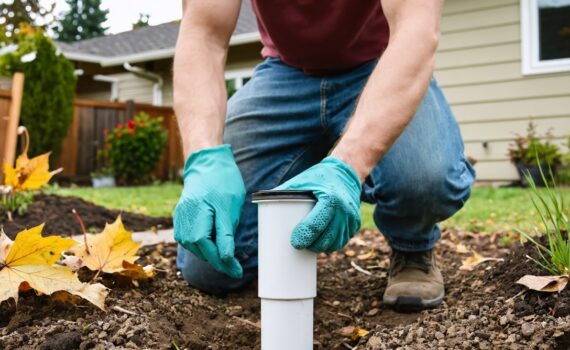
A sewer cleanout is a capped pipe that gives direct access to your main sewer line, also called the sewer lateral. It is usually a 3 or 4 inch pipe made of white or black plastic or cast iron, with a threaded cap or plug on top. Some caps have a square knob in the middle, and some are marked with an “S” or the word “cleanout.”
The cleanout matters because it lets a plumber work on the main line directly. Without one, the plumber may need to remove a toilet or work down through a roof vent to clear a blockage. With an easy-to-reach cleanout, the same job is usually faster, cleaner, and less expensive. It is also where a plumber can insert a camera to see what is going on inside the pipe.
Where to Find Your Sewer Cleanout
Your main sewer line leaves the house and runs toward the street, so the cleanout is usually somewhere along that path. In Bay Area homes, these are the most common places to look:
- Next to the foundation: Many homes have a cleanout sticking a few inches out of the ground close to an outside wall, often on the side of the house that faces the street or near a bathroom.
- In the front yard: Look between the house and the sidewalk. The cleanout may be in a small round or rectangular box at ground level with a plastic or metal lid.
- Near the property line: Some homes have a second cleanout near the sidewalk, sometimes a “two-way” cleanout that allows access toward both the house and the street.
- Under the house: In older homes, the cleanout may be in the crawlspace, the basement, or the garage, where the main drain pipe leaves the building.
- Under landscaping: Over the years, cleanouts often end up buried under mulch, soil, plants, decking, or pavers. If you cannot find yours, it may simply be covered.
If you have looked and still cannot find it, check any permits or inspection reports from when you bought the home. A pre-purchase plumbing inspection often notes where the cleanout is. A plumber can also locate the sewer line with a camera and a locating tool, even when the cleanout is buried or missing.
Signs the Problem Is in Your Main Sewer Line
A clog in one sink or toilet affects only that fixture. A clog in the main sewer line affects the whole house, because every drain flows into it. Watch for these warning signs:
- Several drains are slow at once: The kitchen sink, tub, and toilets all drain slowly, even after you clear one of them.
- Water shows up in the wrong place: Flushing a toilet makes water rise in the tub or shower, or running the washing machine causes the toilet to bubble.
- Gurgling sounds: Toilets and drains gurgle when other fixtures are used. Our article on gurgling drains explains what those sounds can mean.
- Backups in the lowest drain: Sewage or dirty water appears first in the lowest drain in the house, such as a basement floor drain or a ground-floor shower.
- Sewer smells: A sewage odor inside the house or around the cleanout can mean waste is not flowing away properly.
- Water around the cleanout: Water or wet soil around the cleanout cap, or soggy patches in the yard along the sewer line, can point to a blockage or a broken pipe.
If only one fixture is affected, start with our tips on fixing a clogged drain. If several are, treat it as a main line problem.
What to Do If Sewage Starts Backing Up
- Stop using water right away. Tell everyone in the house not to flush, shower, or run the dishwasher or washing machine. Every gallon that goes down a drain has nowhere to go but back into your home.
- Check the cleanout, if you can do it safely. Wearing gloves and eye protection, stand to one side and loosen the cap slowly. If the line is full, sewage may push out of the cleanout. That is unpleasant, but it is better outside than inside your home, and it tells your plumber the blockage is further down the line, toward the street. If you are not comfortable doing this, leave the cap on and wait for a plumber.
- Skip the chemical drain cleaners. They rarely reach a main line clog, they can damage older pipes, and they make the job more dangerous for the person who has to open the line.
- Call a plumber. A main line backup will not fix itself. Our emergency plumbing service is available when you need help fast.
- Clean up carefully. Sewage contains bacteria, so keep children and pets away, wear gloves, and disinfect every surface it touched. Our guides on what to do if your sewer backs up and how to dry flooring after a flood cover the next steps.
Why Main Line Problems Increase in November
Plumbers often call the day after Thanksgiving “Brown Friday,” because it is one of the busiest days of the year for drain and sewer calls. Several things come together this time of year:
- Holiday cooking: Grease, fats, and oils go down the drain as liquids, then cool and harden inside the pipes. Potato peels, rice, pasta, coffee grounds, and eggshells add to the problem. Read why you should never pour hot oil down your drain.
- More people, more flushing: A full house means far more water and waste than your plumbing normally handles in a day, plus wipes and other items that guests may not realize should not be flushed.
- The rainy season: Many Bay Area homes have older clay or cast iron sewer lines with joints and cracks that tree roots can get into. Roots grow toward the moisture in those pipes, and they can catch grease and debris until the line is blocked. Learn more about keeping tree roots out of your sewer line.
- Rainwater getting in: A cracked or missing cleanout cap lets rainwater, dirt, and debris into the sewer line during storms, which adds to the load on the pipe.
A Quick Holiday Checklist for Your Drains
A few simple habits can keep your main line flowing through the busiest weeks of the year:
- Wipe, then wash: Let grease cool, pour it into a can or jar, and throw it in the trash. Wipe greasy pans with a paper towel before washing them.
- Go easy on the disposal: Run cold water, feed food in small amounts, and keep fibrous and starchy scraps out. If it does jam, see our tips for a clogged garbage disposal.
- Set up the guest bathroom: Put a small trash can next to the toilet so guests have somewhere to throw wipes and other items that should not be flushed.
- Spread out the water use: Wait a few minutes between showers, and run the dishwasher and washing machine at different times.
- Check your cleanout before guests arrive: Make sure you know where it is, that the cap is in place, and that nothing is covering it.
For more ideas, see how to get your kitchen Thanksgiving-ready and our ways to prevent clogs in your drains and pipes.
Keep Your Cleanout Easy to Reach and Sealed
Once you have found your cleanout, a few minutes of care makes a big difference:
- Check the cap: A cracked, loose, or missing cap can let sewer gas escape and let rainwater, soil, and pests into the line. Replacement caps are inexpensive, and a plumber can replace one quickly.
- Keep it uncovered: Do not bury the cleanout under soil, mulch, decking, or pavers. If it is in a garden bed, mark it with a small stake or decorative stone.
- Write it down: Take a photo of the cleanout and save it with your home records, next to the location of your water shut-off. In an emergency, anyone in the family will know where to look.
- No cleanout? Ask about adding one: If your home does not have an accessible cleanout, a plumber can install one. It makes every future drain service faster and easier, and it is often added during sewer line repairs.
When to Call a Plumber
Call a plumber if more than one drain backs up, if the same clog keeps coming back, or if you notice sewage smells or soggy spots in the yard. A one-time clog can often be cleared with professional drain cleaning. If grease or tree roots keep returning, hydro jetting can scour the inside of the pipe much more thoroughly than a cable.
For repeat problems, a video camera inspection shows exactly what is happening inside your sewer line, whether that is roots, a sagging section, or a cracked pipe. If the line is damaged, our trenchless sewer repair and replacement can often fix it without digging up your yard or driveway. Some Bay Area cities also require a sewer lateral inspection or test when you sell, remodel, or replace your sewer line, so check with your city and ask us about sewer line testing and inspection.
Take five minutes this week to find your sewer cleanout, check the cap, and show your family where it is. If you would like a professional to locate it, inspect your line, or get your plumbing ready for the holidays, contact us. Our team serves San Mateo and the entire Bay Area.