The Silence of the Sump Pump: Your Home’s Hidden Flood Defense
The Silence of the Sump Pump: Your Home’s Hidden Flood Defense
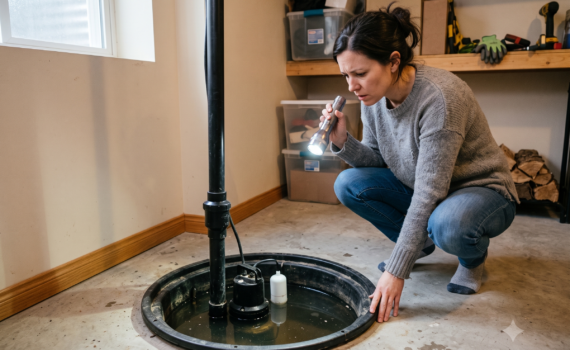
In many homes, especially those with basements or crawlspaces, there is a small, usually unobtrusive circular grate set into the concrete floor. Beneath that grate sits one of the most critical components of your home plumbing disaster prevention strategy: the sump pump. But unlike a leaky faucet or a slow drain, which signal trouble with immediate visual and auditory cues, a sump pump often fails silently.
This silence provides a false sense of security. Homeowners assume the system is working precisely because it is not making noise. This is the "inaction trap." A sump pump’s job is dynamic, managing changing ground water tables. It only activates when the ground is oversaturated, usually during heavy storms or spring snowmelts. Because its function is binary—it works perfectly or it is completely useless—a failure remains invisible until your finished basement is three inches deep in water.
A sump pump is not just a pump; it is a critical, integrated system with multiple fail points. Understanding its anatomy and the unique dynamics of ground water management is crucial for every homeowner relying on residential plumbing services to protect their property.
The Anatomy of your Flood Defense (A Deep Analysis)
To understand how your sump pump system fails, we must first deeply analyze what it is. It is not a single piece of equipment, but rather a diagnostic ecosystem:
1. The Sump Basin (The Pit): This is the heart of the system—a pre-formed hole, usually plastic or concrete, set into the lowest point of your home’s foundation. Its function is crucial: it creates a localized depressurized zone. Ground water, seeking the path of least resistance, will flow into the weeping tiles or drainage matting around your foundation, which then channels that water specifically into the basin before it can create hydrostatic pressure against your basement walls.
2. The Sump Pump (The Submersible): Most modern residential pumps are submersible, meaning the whole unit is designed to sit under water. While they appear simple, their internal engineering is built for a punishing environment. When ground water enters the basin, it brings sediment and minerals with it, making the pump’s operating life inherently stressful. This is why investing in professional sump pump repair and installation is vital for long-term reliability.
3. The Float Switch (The Brain): This is the single most common failure point. A sump pump must be automated. It uses a switch—often a mechanical float (operating on principles similar to the fill valve in a running toilet) or a sophisticated electronic sensor—that rises with the water level. When it reaches a set height, the switch "clicks," activating the pump. When the water level falls, the float drops, and the pump shuts off.
A deep failure analysis reveals why floats are problematic:
- Debris Stuck: Minerals or sediment can calcify around the mechanical arm of a float, freezing it in the "off" position (resulting in a flood) or the "on" position (resulting in pump burnout).
- Stuck on the Pit Wall: In a narrow basin, a shifting mechanical float can easily get wedged against the rough plastic wall of the pit. The water rises, but the float cannot move with it. The pump remains silent.
4. The Check Valve (The Siphon Preventer): The most commonly misunderstood component. Installed in the discharge pipe just above the pump, this one-way valve allows water to flow out but seals shut when the pump stops.
Why its failure is catastrophic: When the pump finishes a cycle, all the water in the vertical discharge pipe (sometimes 10 feet or more) wants to rush back down due to gravity. Without a check valve, that 10+ gallons of water drains back into the pit, instantly raising the water level. The float switch gets triggered, and the pump runs again immediately. We call this "short-cycling." It can turn a 10-year lifespan pump into a 2-year lifespan pump, as the internal components and motor can only take so many startup surges.
5. The Discharge Line (The Escape Route): This is the pipe that carries water out. It must be sloped away from the foundation and exit at least 10 feet from the home’s perimeter, ensuring that the water you are removing does not simply seep back into your drainage system. If this line is neglected, it can lead to costly pipe damage over time.
The Sounds of Silence: Diagnosis of Common Failures
Because the ultimate failure is silence, you must actively diagnose your sump pump before the emergency. What symptoms precede the final blackout?
- Pump Running Continuously: This is the sound of a "burned brain." If your pit is dry, but the pump won’t stop, the float switch is stuck in the active "on" position. The motor will eventually overheat and seize. You must unplug the pump immediately and replace the switch.
- Loud Noises, But Pit Remains Full: If the pump is humming loudly or making a grinding, rattling noise (cavitation), but the water level is not dropping, the pump has lost its prime, the impeller is broken, or there is an airlock in the system. The motor is running, but no work is being done. This requires immediate teardown. Note that this grinding is distinct from the distinct "thumping" sound often associated with water hammer in pipes.
- System "Thump" After Shutoff: A loud, localized "thump" just as the pump shuts off is the sound of your check valve failing. The internal flap is slamming shut under the pressure of backflow, or it is not sealing, allowing the backflow to hammer the pump’s interior. This is the first signal of premature short-cycling wear.
Best Practices and Maintenance Checklist for a Silent Protector
You cannot wait for a storm to find out if your system works. A sump pump requires proactive attention, much like how proper plumbing maintenance prevents emergency problems. Implement this checklist seasonally (spring and fall):
1. The Annual Pit Scrub: Ground water is dirty. Sediment and calcified minerals will build up on the basin walls and the pump housing. This sediment eventually gets pulled into the pump’s impeller or—worse—gets trapped under the float switch. Annually, unplug the pump, remove it, and manually scrub the pump housing and the entire basin. This is a crucial deep-cleaning task, similar in importance to clearing a garbage disposal of internal debris.
2. The 5-Gallon Test (Switch Check): You must verify the float mechanism functions without resistance. Simply slowly pour 5 gallons of water directly into the basin. The float must rise naturally and activate the pump. Then, watch as the water level drops and verify the pump shuts off automatically. Do not lift the float manually with your hand. This does not test the switch’s ability to interact correctly with the moving water or the pit wall.
3. The Check Valve Verification: After performing the 5-gallon test, listen carefully. The pump shuts off. The water in the discharge line should stop abruptly, and the pit should remain mostly dry. If you hear water rushing down (a hollow, splashing sound) and see the pit level rising significantly after the pump has stopped, your check valve is failing and must be replaced.
4. Discharge Inspection: Go outside. Visually verify the discharge point is clear of debris, leaves, or snow. A blocked exit pipe creates massive backpressure, causing the pump to run (inefficiently) without removing water, which leads to rapid burnout.
The Homeowner’s Ultimate Safety Net: The Backup System
No mechanical device will last forever. Every primary sump pump will eventually fail—from mechanical wear, a power outage, or a jammed float. In a low-lying area or a home with a finished basement, relying solely on a primary pump is not risk management; it is a gamble. The silence in this scenario is catastrophic, potentially leading to situations where you must know what to do if your sewer backs up or requiring professional sewage spill cleanup.
You must install a secondary backup system:
1. Battery Backup Pumps: This is the most common residential solution. A secondary pump is installed in the same pit, powered by a specialized deep-cycle marine battery. If the power goes out, or if the primary pump fails to activate (its separate float switch triggers a different emergency height), the battery backup system takes over and emits an audible alarm.
2. Water-Powered Backup Pumps (The Ultimate Deep Dive): For the highest level of residential security, we look to water pressure principles. A water-powered backup pump has no mechanical moving parts (no motor, no electronics) and relies on no electricity. Instead, it is plumbed into your home’s municipal water supply line. When its float activates, it opens a valve allowing city water pressure to rush through a specialized venturi tube. This high-pressure flow creates an extreme vacuum that sucks the murky ground water up and out through the discharge line.
This system is infinitely reliable during a power outage as long as city water still flows. However, it requires a very deep analysis of domestic plumbing dynamics and specialized plumbing work.
When to Bring in the Experts
A sumppit system diagnosis is critical. If your 5-gallon test fails, if your pump is short-cycling (thumping), or if you are considering installing a critical backup system, professional intervention is necessary. We can quickly test switch resistance, verify check valve function with specific flow gauges, and safely install complex water-powered or battery backup systems. We help you make sure that the next time you look at that grate in your basement floor, you don’t feel a false sense of security, but the actual security of a fully functioning flood defense. Don’t wait for a crisis—scheduling a standard plumbing inspection can identify these issues before they become disasters.